
News
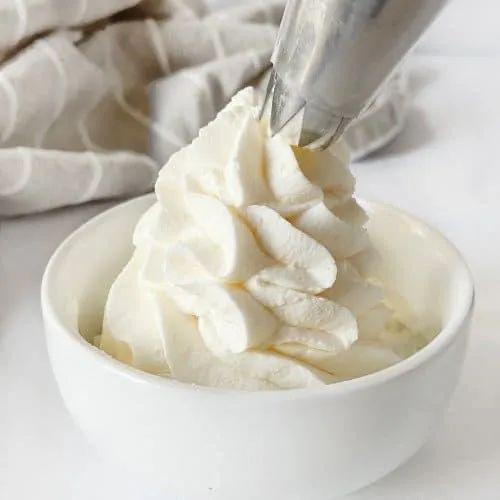
Science behind Whipping
Whipping involves the incorporation of air into a liquid or semi-solid substance, like cream, to increase its volume and create a light, stable foam. The science behind this process includes...
Science behind Whipping
Whipping involves the incorporation of air into a liquid or semi-solid substance, like cream, to increase its volume and create a light, stable foam. The science behind this process includes...
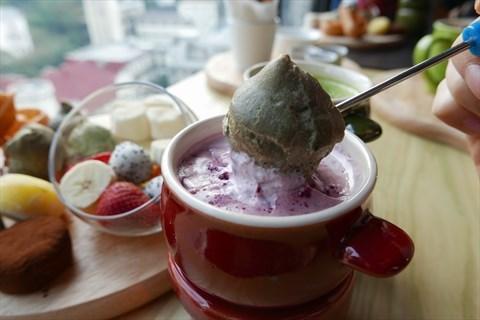
Foam or espuma
"Espuma" and "foam" differ in language and culture, with "espuma" being the Spanish and Portuguese word for "foam." In cooking, "espuma" typically refers to a thicker, savory foam or mousse...
Foam or espuma
"Espuma" and "foam" differ in language and culture, with "espuma" being the Spanish and Portuguese word for "foam." In cooking, "espuma" typically refers to a thicker, savory foam or mousse...
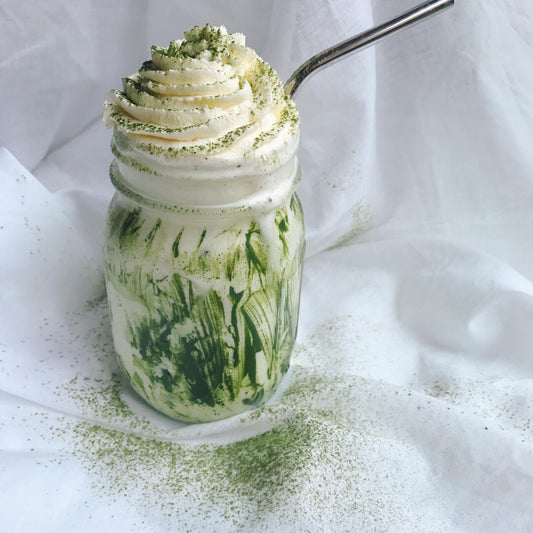
How to make Frappuccino
To make a Frappuccino, start by brewing strong coffee and chilling it. In a blender, combine the cold coffee with ice, milk (or a milk alternative), and a sweetener like...
How to make Frappuccino
To make a Frappuccino, start by brewing strong coffee and chilling it. In a blender, combine the cold coffee with ice, milk (or a milk alternative), and a sweetener like...
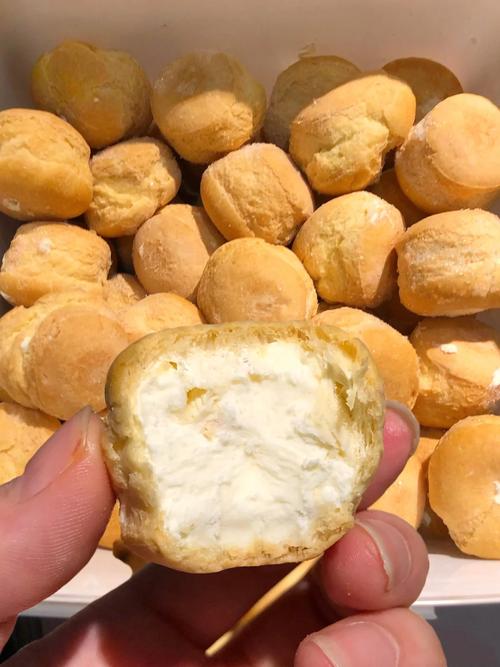
How to make Puff
To make puff pastry, start with cold butter and flour. Combine them until the mixture resembles breadcrumbs. Add water gradually, bringing the dough together. Chill the dough to firm the...
How to make Puff
To make puff pastry, start with cold butter and flour. Combine them until the mixture resembles breadcrumbs. Add water gradually, bringing the dough together. Chill the dough to firm the...
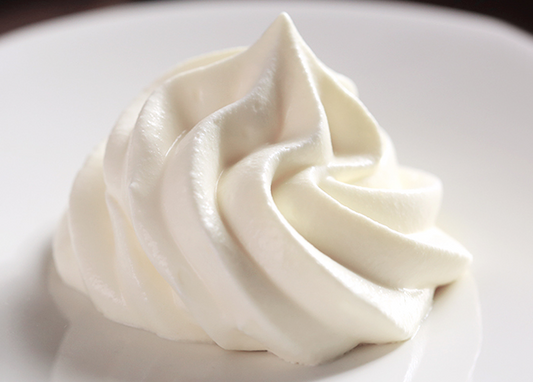
How to whip cream
To whip cream, start with cold heavy cream, ideally at 40°F (4°C). Pour the cream into a chilled bowl to prevent warmth from melting the fat. Use a whisk or...
How to whip cream
To whip cream, start with cold heavy cream, ideally at 40°F (4°C). Pour the cream into a chilled bowl to prevent warmth from melting the fat. Use a whisk or...